
Most homeowners rarely think about their gutters until something goes wrong. Yet these narrow channels perched along your roofline perform one of the most important jobs in residential building protection. A well-maintained gutter system quietly redirects thousands of gallons of rainwater away from your foundation, siding, windows, and landscaping every year. In regions like Hall County, Georgia, where heavy spring downpours, humid summers, and an abundance of pine needles and hardwoods create a perfect storm of debris, the humble gutter often becomes a frontline defense against moisture intrusion. When gutters are neglected, even small blockages can trigger a chain reaction of structural damage, pest infestations, and mold growth that costs far more than routine maintenance ever would. Understanding how your gutter functions and why it demands consistent care is the first step toward preserving your property’s value and your family’s safety. This article explores the hidden engineering behind gutters, the warning signs of failure, and why professional attention yields results that far surpass a hasty DIY job.
The Critical Role Gutters Play in Home Protection
Every time it rains, your roof collects an enormous volume of water. A single inch of rainfall on a 1,500-square-foot roof dumps nearly 1,000 gallons of water—a load that must be managed in minutes. Without a well-functioning gutter network, that water sluices directly off the eaves and lands at the base of your home. Over time, this concentrated cascade erodes soil, cracks sidewalks and driveways, and places relentless hydrostatic pressure on foundation walls. Basement flooding and crawlspace moisture are rarely random accidents; they are the predictable outcome of water being allowed to pool against a structure instead of being piped safely away. Gutters intercept the runoff and channel it through downspouts to discharge points at least four to six feet from the foundation, preserving the structural integrity of your biggest investment.
Beyond the foundation, gutters defend every layer of your home’s exterior envelope. When a gutter clogs and overflows—often silently, inside a column of wet leaves and pine straw—water sheets down fascia boards, behind siding, and into soffits. This persistent moisture feeds wood rot, warps painted surfaces, and creates an ideal breeding ground for mold and mildew. In Hall County’s humid climate, unchecked gutter overflow can reduce the lifespan of exterior trim by years and invite carpenter ants and termites into the soft, damp wood. Landscaping suffers too: flower beds and shrubs planted near a dripline can be shredded by a waterfall of uncontrolled runoff, while precious topsoil washes away. Even the roof itself is at risk; when standing water in a blocked gutter seeps under shingles at the eaves, it causes roof deck rot and accelerates shingle deterioration. Modern seamless aluminum gutters have greatly reduced leak points, but no gutter material—vinyl, steel, or copper—is immune to the damage caused by weight stress and overflow from built-up debris. In short, a clean, properly pitched gutter system does far more than move water: it preserves the entire building science that keeps your home dry, stable, and healthy.
Seasonal realities magnify the importance of this role. Hall County’s mix of oak, maple, hickory, and towering pines means gutters fill with broad leaves in autumn and with fine, matted pine needles throughout the year. Spring thunderstorms can unload a month’s worth of rain in a single afternoon, turning even a partially obstructed gutter into an emergency situation where water surges over the sides. Homeowners who invest in proactive gutter maintenance essentially buy themselves an insurance policy against a cascade of interconnected failures—a policy that pays for itself the moment it prevents one basement drywall tear-out or one foundation crack repair.
Signs Your Gutter Needs Immediate Attention—And What Could Go Wrong If You Wait
A gutter system rarely fails without sending out clear distress signals. Recognizing these warnings can save you from a repair bill that quickly climbs into the thousands. One of the most obvious red flags is water spilling over the lip of the gutter during moderate rainfall. If you see sheets of water cascading over the front edge instead of exiting through downspouts, the channels are almost certainly clogged or the pitch has shifted. Sagging sections are another unmistakable symptom; gutters loaded with wet debris become alarmingly heavy, pulling away from the fascia and causing fasteners to loosen. Once a gutter sags, water pools in the low spots, attracting mosquitoes and adding even more weight—a dangerous feedback loop that can rip the entire run off the house.
Less dramatic but equally serious signs hide in plain sight. Staining or streaking on the exterior siding directly below the gutter line indicates that small amounts of water have been overflowing persistently. Peeled paint, soft fascia boards, or visible mold on the eaves mean wood rot is already underway. If you spot tiny plants sprouting from the gutter itself, that’s a guaranteed sign of trapped organic matter turning your gutter into a raised garden bed—one that holds moisture against your roofline 24/7. On the ground, erosion gullies in the mulch or soil beneath downspouts suggest water is being discharged with too much force and too close to the foundation. Cracks in the basement floor, a musty crawlspace odor, or efflorescence on concrete walls are the most expensive clues that water isn’t being directed far enough away.
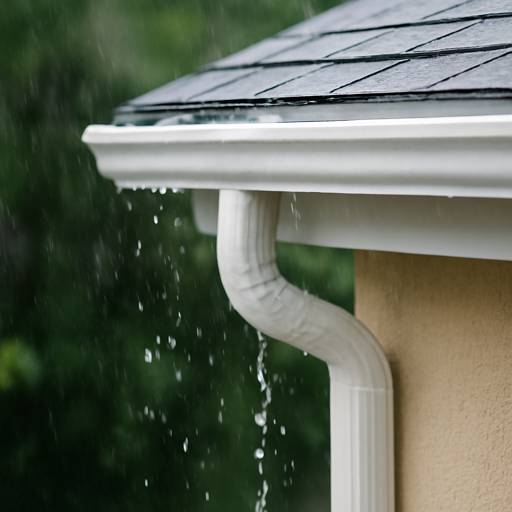
Ignoring these symptoms in Hall County’s climate invites a cascade of damage that goes well beyond gutters. A clogged, overflowing gutter saturates the soil around the footing, causing hydrostatic pressure that can crack foundation walls and force water through the tiniest seams. Once moisture enters a basement or crawlspace, it fuels mold growth, ruins stored possessions, and compromises indoor air quality. Fascia and soffit repair alone often costs hundreds of dollars per linear foot, and if the water has worked its way behind the siding, the sheathing and insulation may need replacement. Pest infestations add another layer of grief: standing water in gutters is the perfect breeding site for mosquitoes, while damp, rotting wood draws carpenter ants and termites. The fix that could have been a simple cleaning escalates into a multi-trade remediation project.
Given the high stakes, experts routinely recommend that homes in tree-dense areas like Hall County receive gutter cleanings at least twice a year—once in late fall after the leaves have dropped and again in early spring to flush out pollen, seed pods, and winter storm debris. Houses shaded by overhanging pines may require additional visits in summer, because pine needles tumble down year-round and quickly form impenetrable mats. Pairing gutter service with other exterior maintenance such as house washing and roof cleaning establishes a reliable rhythm that keeps every protective layer in top condition at the same time.
Professional Gutter Cleaning vs. DIY: Why Expertise Makes All the Difference
At first glance, cleaning a gutter appears simple: set up a ladder, scoop out the gunk, and hose down the channels. Yet this seemingly straightforward task hides risks and pitfalls that can turn a weekend project into an injury or an incomplete job that leaves damage hiding in plain sight. Ladder accidents claim thousands of emergency room visits each year, and working at gutter height while leaning and reaching creates a fall hazard that multiplies on uneven ground. Beyond safety, the quality of a DIY cleaning often falls short of what a trained professional can achieve. It’s not enough to remove the visible leaves; the real trouble frequently lurks inside the downspout—a packed column of debris that a quick scoop will never reach. A blocked downspout renders the entire gutter run useless, forcing water to back up even if the horizontal channel appears clear.
A professional service brings far more than a ladder and a bucket. When you schedule a thorough maintenance visit with a company that truly understands local debris patterns, each gutter is hand-cleared, flushed, and inspected for damage that could compromise performance. Team members trained in roofing and exterior systems can spot subtle problems—a loose hanger, a seam beginning to separate, a section that has lost its correct pitch—and often make minor repairs on the spot. They use high-volume flushes to confirm downspouts flow freely and to wash away the small granules of asphalt shingles that accumulate in the gutter trough, a gritty residue that holds moisture and accelerates metal corrosion. This level of care is especially important in Hall County, where fine pine needles and oak catkins compact into a spongy mass that a casual scraping won’t dislodge.
Another advantage professionals bring is a safety culture rooted in real-world emergency response experience. When a pressure washing and gutter maintenance company is run by a firefighter and paramedic, every job is approached with the same meticulous attention to risk management and detail that saves lives in the field. Ladders are secured with stabilizers, proper personal protective equipment is non-negotiable, and the crew is trained to handle the unexpected. That peace of mind translates directly to homeowners who can remain safely on the ground, confident that their property will receive a level of care that goes far beyond a quick scoop-and-dump. Combining gutter cleaning with complementary services such as professional roof washing and house washing also ensures that the entire exterior envelope works in harmony—clean gutters, clean roof, and clean siding together maximize runoff efficiency and minimize the biological growth that traps moisture.
Gutters are just one component of a full exterior maintenance plan. Smart homeowners in Hall County schedule gutter cleaning alongside their house and driveway washing every 8 to 12 months, and coordinate with window cleaning two to six times a year based on exposure and cleanliness goals. This integrated approach not only saves time and logistical headaches but catches small issues before they compound. When a professional team services your home, they can see the big picture: a clogged gutter valley that has already started to stain the siding, a downspout discharge point that’s eroding a walkway, or a fascia board that’s soft to the touch. Those observations, delivered promptly, can save tens of thousands of dollars in structural repairs and preserve your home’s curb appeal. In the end, leaving your gutter work to skilled hands isn’t a luxury—it’s a strategic investment in the long-term health, safety, and value of your most important asset.

Muscat biotech researcher now nomadding through Buenos Aires. Yara blogs on CRISPR crops, tango etiquette, and password-manager best practices. She practices Arabic calligraphy on recycled tango sheet music—performance art meets penmanship.

Leave a Reply