
The RL556v3 sits at the intersection of innovation, reliability, and enthusiast-grade customization. Leveraging polymer-forward design with geometry tailored to the AR-15 ecosystem, it provides a balanced base for personal builds in 5.56 NATO or .223 Rem. Whether the goal is a light, responsive carbine or a training-focused platform that emphasizes familiarity and consistency, the RL556v3 stands out for its thoughtful refinements across fit, ergonomics, and durability. It is favored by project builders who prioritize careful planning, legal compliance, and responsible ownership, as well as by hobbyists who want a dependable starting point without unnecessary weight or complexity. With high attention to material science and compatibility standards, the RL556v3 represents a practical path to a personalized rifle that feels purpose-built from the very first range session.
What the RL556v3 Brings to the 5.56 Platform
The appeal of the RL556v3 begins with its commitment to the fundamentals that make AR-pattern builds so versatile: consistent dimensions, dependable interfaces, and strength in key stress zones. This lower solution is designed to mate with standard AR-15 uppers chambered in 5.56 NATO or .223 Rem, aligning with common, mil-spec style components familiar to most enthusiasts. By emphasizing structural reinforcement around critical areas—such as the buffer tower, takedown pin lugs, and the magazine well—the RL556v3 aims to deliver a blend of rigidity and resilience that supports thousands of rounds and routine handling.
Weight savings is one of the major quality-of-life benefits. Polymer-forward designs can reduce fatigue during extended training days, while maintaining balance that makes the rifle quick to shoulder and steady on target. This difference becomes especially noticeable for shooters who log long practice sessions, attend courses, or participate in dynamic disciplines where the rifle is constantly in motion. In practical terms, the RL556v3 makes it easier to focus on fundamentals like trigger control and sight alignment without the distraction of a front-heavy setup.
Ergonomics also receive attention. The platform typically incorporates a comfortable, integrated trigger guard area and a magwell profile that encourages smooth reloads with standard magazines. Builders often note how the geometry contributes to a natural firing grip and a confident shoulder weld. These subtleties add up—especially when transitioning quickly between positions, working behind cover, or running controlled pairs at the range. The overall fitment philosophy is to support mainstream, widely available parts so owners can source trusted components and keep maintenance straightforward over the life of the rifle.
Durability in the real world is about more than single-event strength; it’s about resilience across frequent disassembly, transport, and environmental changes. The RL556v3’s polymer-centric architecture is inherently resistant to corrosion and the kinds of surface oxidation that can affect traditional alloys. With routine care and attention to assembly best practices, the platform is engineered to hold tolerances, preserve a clean cycling rhythm, and maintain the crisp, tactile controls that shooters rely on. For many builders, this translates to confidence that the rifle will perform predictably across a wide variety of conditions.
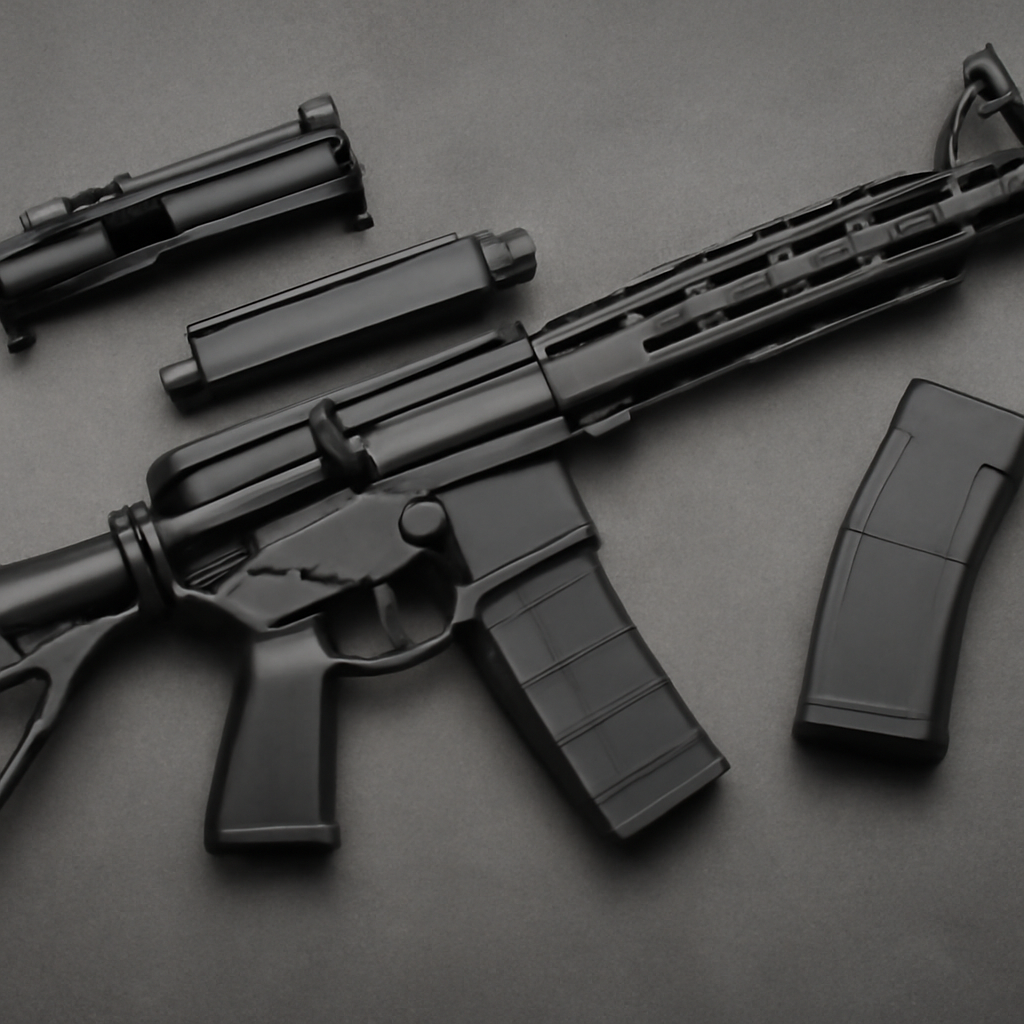
Planning a Compliant, Reliable Build Around the RL556v3
Responsible ownership and legal compliance should guide every decision around a receiver blank or lower, and the RL556v3 is no exception. Firearm regulations vary by jurisdiction and can change over time, so it’s essential to confirm applicable federal, state, and local requirements before starting any project—especially when considering an 80% lower or similar component that may be regulated differently depending on where you live. Many enthusiasts also consult a qualified professional or local authority for clarity on definitions, serialization, transport, and transfer rules. Prioritizing compliance from the outset prevents costly missteps and ensures the finished rifle can be enjoyed within the law.
Beyond compliance, planning a reliable build is about compatibility. The RL556v3 is designed with mainstream AR-pattern parts in mind. Most owners match it with a standard, quality lower parts kit, a buffer system appropriate to the chosen upper and gas system, and a trigger that aligns with their intended use. For a range carbine or training rifle, a straightforward single-stage trigger often provides consistency and ease of use. For competition or precision-leaning builds, enhanced triggers can deliver shorter, smoother pulls, but should still be installed with careful attention to fit and function. Likewise, selecting a reputable, mil-spec pattern receiver extension (buffer tube), quality buffer/spring, and dependable magazines helps maintain reliable cycling and lock-back.
Choosing an upper assembly for a 5.56 build usually revolves around intended role. A 16-inch mid-length setup remains a common, versatile choice for many enthusiasts, offering a balanced recoil impulse and broad ammunition compatibility. Others prefer a lightweight profile to complement the RL556v3’s weight savings, or a slightly heavier barrel for sustained strings of fire. In every case, using well-vetted components and verifying proper fitment supports both safety and performance. Having a competent gunsmith check critical interfaces and overall function can provide added assurance before the first range trip.
From a practical standpoint, keep meticulous records of parts, torque values recommended by component manufacturers, and any maintenance done over time. Documenting the build helps with troubleshooting and future upgrades. For buyers evaluating sources, reputable retailers focused on polymer-based designs and AR-platform components can simplify research and support. To explore components and options that align with responsible, enthusiast-grade projects, visit rl556v3 and review current availability and guidance. Doing due diligence on both parts and policies builds a foundation for many seasons of reliable use.
Real-World Scenarios, Performance Notes, and Maintenance Practices
Many RL556v3 owners prioritize agility and comfort during extended sessions. Consider a lightweight range carbine configured with a mid-length 5.56 upper, a straightforward red-dot optic, and a dependable single-point or two-point sling routed through a robust end-plate attachment. Paired with the RL556v3’s weight-conscious architecture, this setup can feel exceptionally responsive in transition drills and controlled movement. Shooters who spend entire days at training events often appreciate how the rifle remains lively without sacrificing the stability needed for repeatable hits across common distances.
Competition-minded enthusiasts may build around fast sight acquisition and smooth reloads. The RL556v3’s ergonomic profile can support a natural grip and a consistent index off the magwell area during administrative handling—subtleties that matter during stage walkthroughs and time-pressured runs. A crisp, reliable trigger becomes a force multiplier in this arena, provided it’s selected from trusted manufacturers and installed to spec. When combined with reliable magazines, consistent ammunition, and diligent preventive maintenance, the result is a platform that rewards disciplined technique and steady trigger cadence.
For training-focused or introductory builds, the RL556v3 offers familiarity and user-friendliness without unnecessary heft. New shooters often benefit from a rifle that’s easy to shoulder, manage, and control during recoil. The polymer-forward lower contributes to a handling experience that encourages fundamentals—stance, grip, sight picture—rather than fighting balance issues. Because training rifles typically see repetitive drills and lots of dry practice, the resilience of polymer to surface corrosion and handling wear adds practical value over time.
Ongoing care helps preserve performance. Routine inspections should include the buffer tower area, takedown pin lugs, and magazine well for any visible stress or deformation from hard use. Verify that the receiver extension remains secure and that interface points with the upper retain a snug, proper fit. Keep the fire control area free of grit and fouling, and replace worn springs or pins with quality components that match mil-spec dimensions. While polymer resists many environmental threats, sensible storage—unloaded, in a secure, climate-conscious location—protects both the rifle and the people around it.
Finally, build within the intended operating envelope. Avoid accessories or sling points that introduce undue leverage on the lower itself, and use mounting solutions that are designed to distribute stress appropriately across the platform. If the rifle sees heavy round counts or demanding field conditions, establish a periodic maintenance schedule and log observations after courses, competitions, or extended range days. The RL556v3 rewards this kind of thoughtful stewardship, delivering a consistent, confidence-inspiring foundation that adapts gracefully to evolving roles, from casual weekend sessions to structured training blocks and organized events.

Muscat biotech researcher now nomadding through Buenos Aires. Yara blogs on CRISPR crops, tango etiquette, and password-manager best practices. She practices Arabic calligraphy on recycled tango sheet music—performance art meets penmanship.

Leave a Reply